The Process
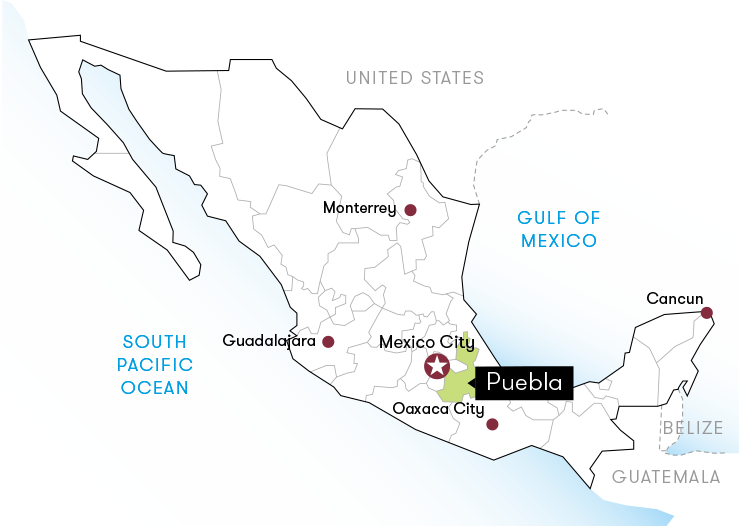
Puebla is the third largest coffee producer in the country and its coffee is recognised for quality and distinguished flavour, a result of mineral-rich soil and the careful agronomic and processing practices of its smallholder farmers. Producers traditionally follow a washed process regimen passed down from one generation to another. Producers typically cultivate organically to protect their land and maintain healthy soil.
Coffee production in Puebla is an art form, perfected over years of experience. After the cherries are harvested, they undergo the washed process, a method that enhances the clarity and complexity of the coffee’s flavors. The cherries are first depulped, separating the beans from the fruit, and then placed in fermentation tanks where the mucilage is broken down. The timing of this step is critical—the farmer carefully monitors the process to ensure the beans reach the perfect balance of flavor.
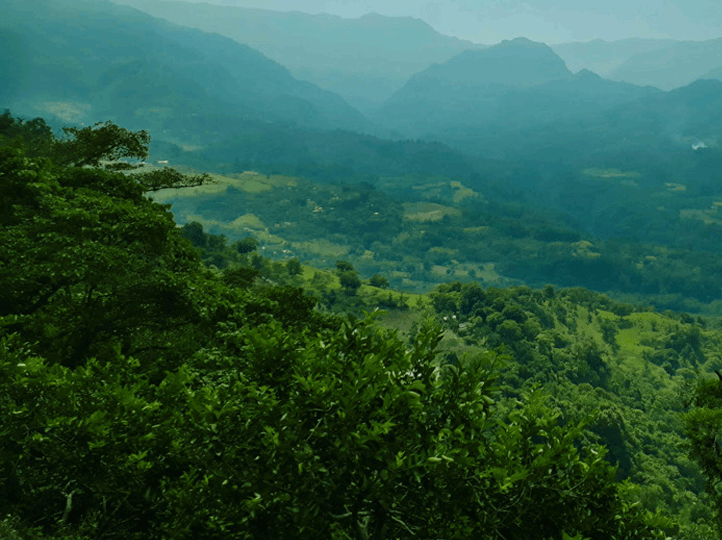
Once fermented and washed, the beans are laid out to dry. In the Sierra Norte, the weather can be unpredictable, so the farmer is always prepared to protect the beans from rain, using covered drying beds when necessary. The beans are turned frequently to ensure even drying, a painstaking but essential step in producing high-quality coffee.
When the beans are fully dried, they are hulled and sorted by hand, ensuring that only the best beans make it to market. The result is a coffee that captures the essence of the Sierra Norte, with bright acidity, balanced sweetness, and floral notes that are characteristic of this region.